

https://www.poolofstake.io/
ABOUT POOL OF STAKE
The Pool of Stake (PSK) is the first of its kind, a decentralized pond for Proof of Stake, the future of blockchain. Qtum, BOScoin, Tezos, and other PoS coin holders can unite in the Pool of Stake and start Mining 2.0, generating daily forging gifts just by stopping their PoS coins.
Pool of Stake (PSK) is a unique self-regulated platform for Proof of Stake blockchains. PSK aims to increase the benefits for small investors who join the platform. With the help of the Pool of Stake miners can produce gifts every day just by placing their PoS coins on the pole.
The platform will offer analytics tools that will enable tracking, managing, and optimizing user investment. PSKs rely on PSK compatible token utility ERC-20 and IOU tokens that allow PSK users to gain full control over their stalked coins.
IDEA DEVELOPMENT
The idea of Pool of Stake has evolved in the experience and problems of miners today. Pool of Stake seems to be the solution. As you can see in the description below:

The current situation
At first all you need to mine bitcoin are computers and applications. Then the market has developed a hard drive for the community to mine. This has, in turn, instigated communities to begin to form mining. A mining pool allows its members to regain the edge and start mining again.
New development
The forging evidence of Stake seems to be the future of mining.
Solution
A pool for blockchains Proof Stake.
There are several benefits to taking part in the mining pool. First of all, system security, economies of scale, electricity savings, AI in favor of best investments for PSK members-compare the rewards of different blockchains based on real-life data from community members and support from blockchains improve voice through transparent government mechanisms.
PROOF OF WORK & PROOF OF DIFFERENCE STAKE
Proof-of-work: a method that requires miners to validate transactions on a blockchain by performing a mathematical function (called a hash).
Proof of of stake: a method that allows miners to validate block transactions based on how many coins they choose to bet on the network (as a deposit). Here is a post where the founder of Ethereum explains the philosophy of PoS design.
Both methods exist to serve a common goal in blockchain: To validate that people who send bitcoins (or any digital currency) have the correct amount of funds in their account. And once the transaction is over, he no longer has a coin in their account (aka .to avoid multiple expenses).
However, both take a different inherent approach to that goal. PoW vs PoS: Buy a shovel vs Deposit at the bank.
By definition, Proof-of-Work means completing the hash function and proving the result is correct. Although it is difficult to reveal the functionality, it is easy for other miners to verify the results after the miners get it - just a matter of algebra. If yes, congratulations! It's a gift. So take out your shovels, do some physical work, and show everyone that you have mine gold.
The Proof of Stake, however, is a mechanism that does not require math. Instead, inside the network, you simply lock up a certain amount of your shares, ie whatever your cryptocurrency is generated in this blockchain. That is your proof because something is at stake.
The network uses a random selection algorithm to determine who the age of the coin is, or how long you've locked, etc. Different PoS-based blockchains have different criteria, but the point is not much hardware work is required. It's a bit like deposition and interest.
In the PoW-based blockchain, the miners do hard work and will be rewarded. Remember Bitcoin and Ethereum, where the new block gift is 12.5 Bitcoin and 5 Ether. But there is another thing called transaction costs. When you send Bitcoin to me, the transaction needs to be validated and documented in the blockchain through a math hash function performed by miners.
But they do not do it for free so you need to attach transaction fees. The next lucky miner created the block award itself, so 12.5+ Bitcoin.
In the PoS method, blockchain does not have a reward block. Only transaction fees. That's also why participants in blockchain PoS should be called validators, not miners. They only facilitate the process of validating transactions without mining activities as did PoW.
POOL OF ICO DETAILED STAKE
Category: Cryptocurrency, Infrastructure, Mining, Platforms & Ecosystems
Country: Switzerland
ICO Date: 2018-05-02 / 2018-06-03
Ends in: 44 days
Website: https://www.poolofstake.io/
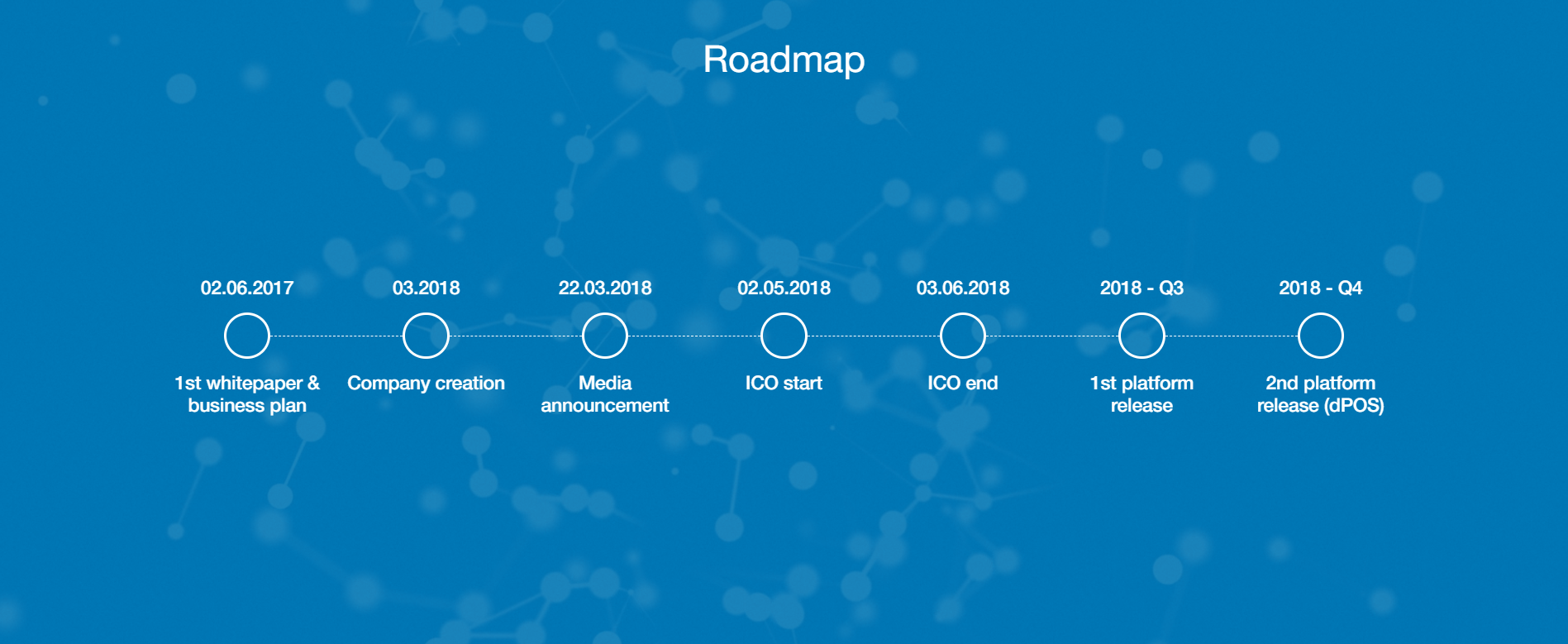
ROADMAP
TEAM

POOL OF RATING RISE
icorating.com (Risk): NOT INCREASED
icobench.com:4.0 / 5
icobazaar.com:TBAtrackico.io:4.3 / 5foxico.com:6.0 / 10
icomarks.com:5.7 / 10
icostock 24.com: 3.9 / 5
More Information Visit POOL OF STAKE Link:
WEBSITE: https://www.poolofstake.io/
ANN THREAD: https://bitcointalk.org/index.php?topic=3283742.0
TWITTER: https://twitter.com/poolofstake
WHITE PAPER: https://www.poolofstake.io/wp-content/uploads/2018/04/Pool_of_Stake_whitepaper.pdf
TELEGRAM: https://web.telegram.org/#/im?p=@poolofstake
FACEBOOK: https://www.facebook.com/poolofstake
YOUTUBE: https://www.youtube.com/channel/UCenEbx5MwCF7kjTAWU-jv_g?
Author : (kadutz25)
My Bitcointalk : https://bitcointalk.org/index.php?action=profile;u=1097203
ETH Addtress : 0xdEC674B90e22c53B19569b54AD23F8c50CB4cF9C
Pool Of Stake - Method That Allows Miners Validate Block Transactions
 Reviewed by leceng
on
Juni 17, 2018
Rating:
Reviewed by leceng
on
Juni 17, 2018
Rating:
Reviewed by leceng
on
Juni 17, 2018
Rating:


Tidak ada komentar: